
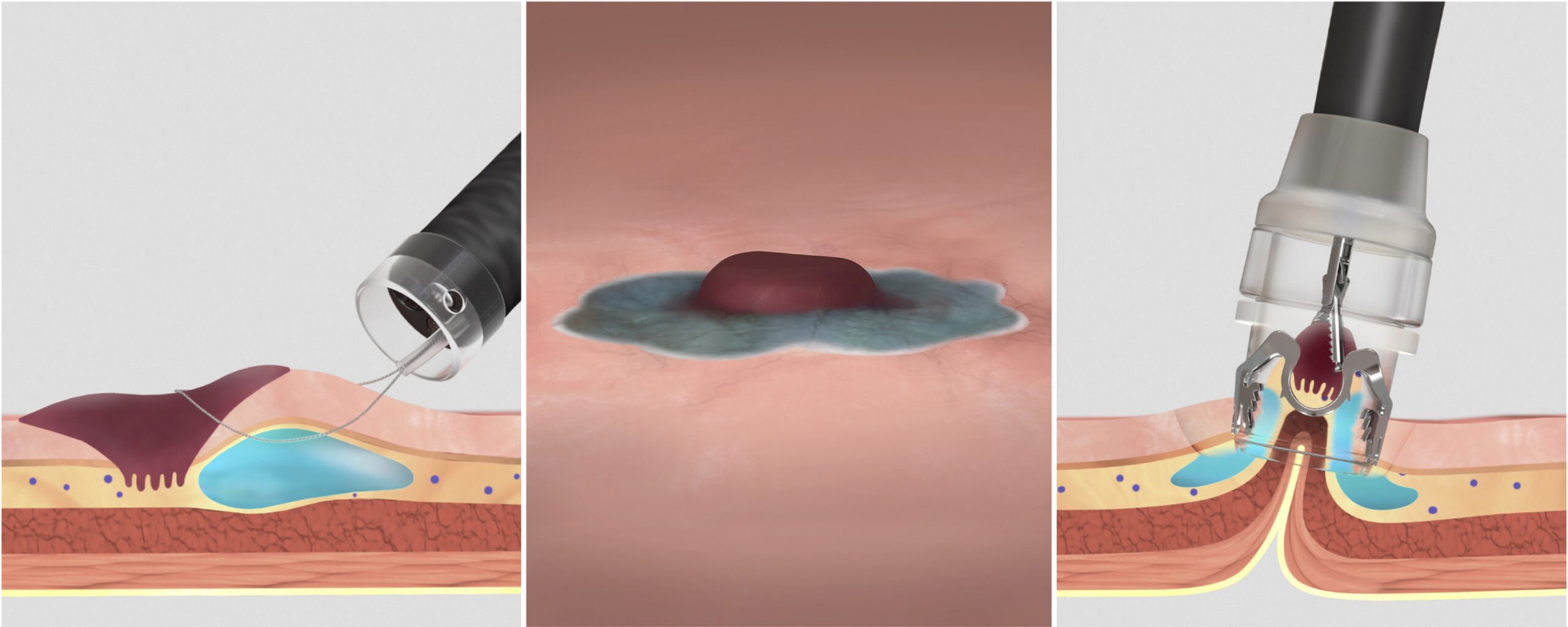
Endoscopic Mucosal Resection (EMR)
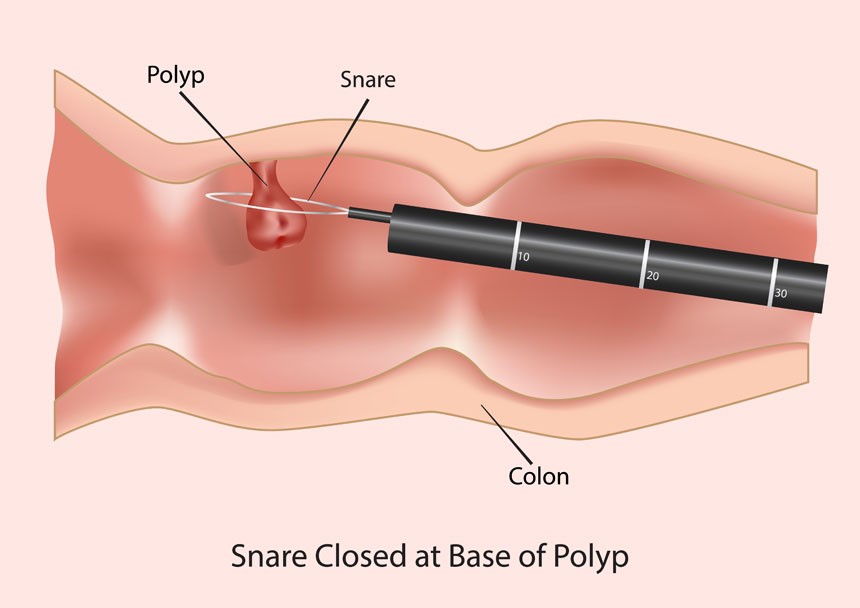
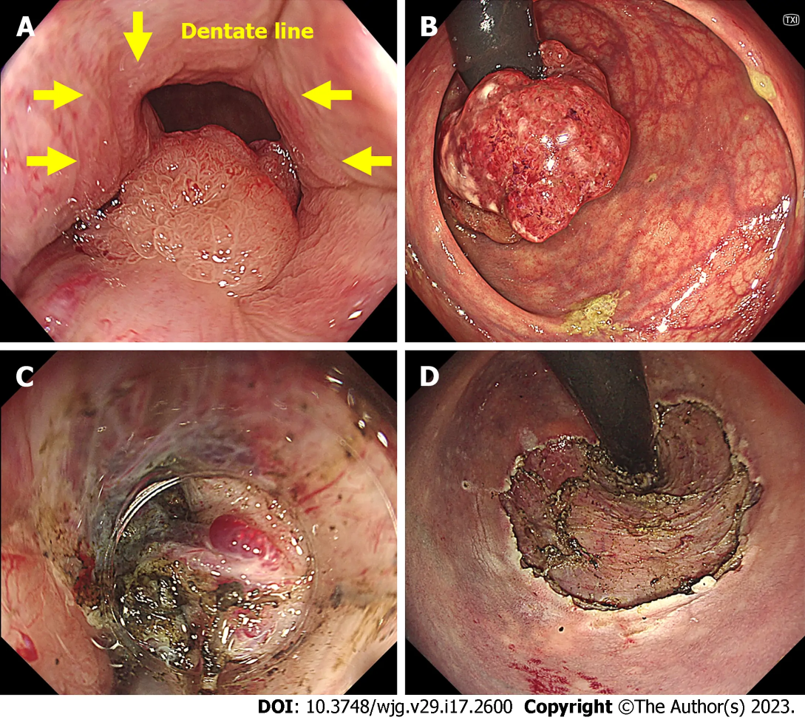
A minimally invasive procedure to remove gastrointestinal (GI) cancer or precancerous lesions using an endoscope and an electrical snare.
How it works:
An endoscope (flexible tube) is inserted through the mouth (upper GI) or anus (lower GI).
A thin wire loop (snare) is passed through the endoscope, encircling the tumor.
Electrical current cuts the tumor and cauterizes the wound, removing the lesion.
Endoscopic submucosal dissection (ESD)
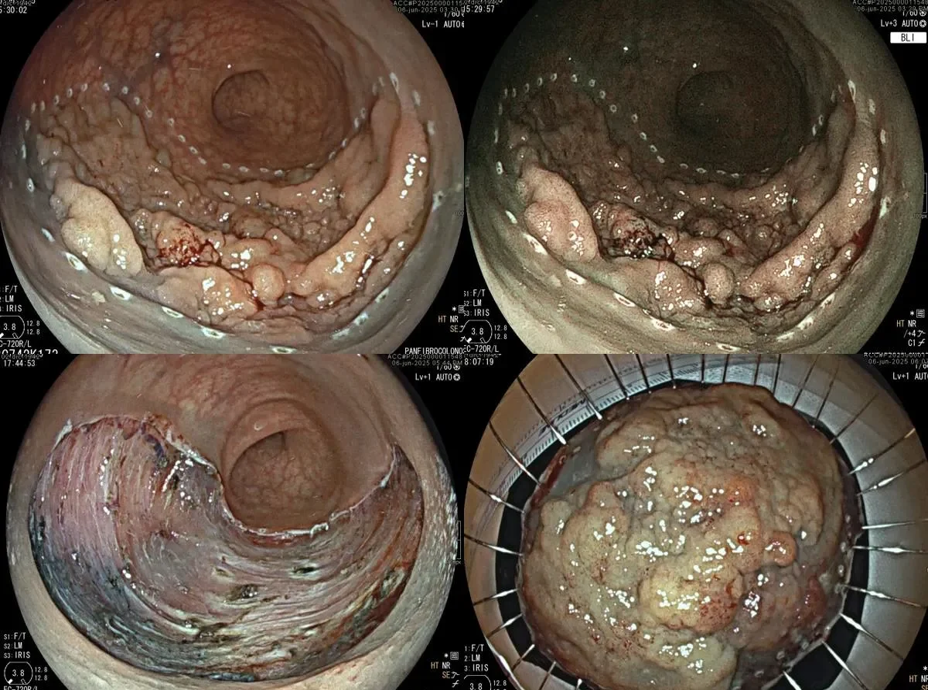
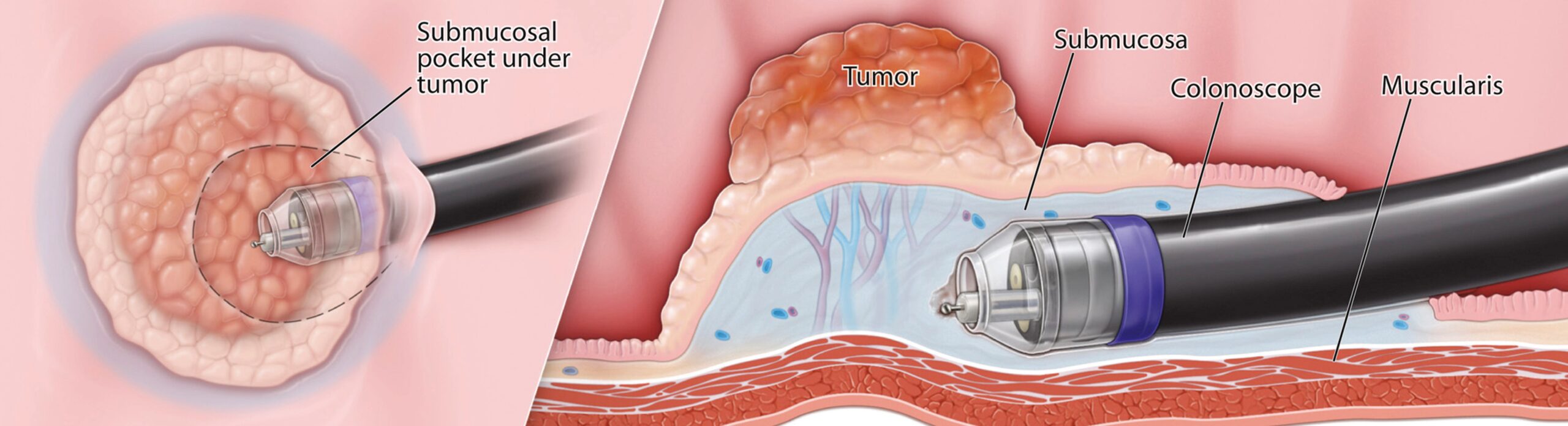
Endoscopic submucosal dissection (ESD) is a minimally invasive procedure that uses a flexible, tube-like tool called an endoscope to remove precancerous and cancerous areas in the gastrointestinal (GI) tract. “Submucosal” means this procedure targets tumors located under the lining of the GI tract (mucosa). These tumors can be close to muscle tissue and can be difficult to remove completely with other methods.
Gastroenterologists (doctors specially trained to treat the GI tract) perform this procedure. Depending on where in the GI tract the tumor is located, the doctor will insert the endoscope through the mouth for upper GI tumors or through the anus for lower GI tumors. ESD is typically an outpatient procedure and most people go home the same day.
Only a few centers in the United States perform ESD because the procedure requires a high degree of expertise and precision.
Endoscopic full thickness resection (EFTR)
Endoscopic full thickness resection, or EFTR, is a minimally invasive procedure to remove (resect) benign or cancerous tumors from the gastrointestinal tract using an endoscope, a flexible, tube-like instrument.
“Full thickness” refers to how much of the gastrointestinal wall is removed. With other procedures, only the superficial layers (mucosa and submucosa) might be removed, while the EFTR procedure aims to remove deeper tissues to ensure complete tumor removal.
EFTR is typically an outpatient procedure. Many patients can go home the next day. Specially trained gastroenterologists (physicians who treat the GI tract) perform EFTR. Patients who undergo EFTR may have a shorter treatment time and faster recovery than those who have more invasive surgery.
Treatment
- Polypectomy → small, benign polyps
- EMR → superficial mucosal lesions
- ESD → larger or early invasive mucosal lesions
- EFTR → deeper or complex lesions requiring full-thickness removal