
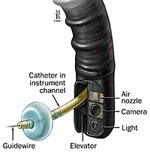
Intragastric Balloon Placement
A minimally invasive, non-surgical weight-loss procedure in which a soft, saline- or gas-filled balloon is placed inside the stomach to limit food intake and promote satiety.
Mechanism:
Endoscopically placed balloon occupies space in the stomach
Slows gastric emptying and makes the patient feel full with smaller meals
Usually temporary (removed after ~6 months)
Indications / Who May Need It
Adults with obesity (BMI 30–40) who:
Failed to lose weight with diet, exercise, and lifestyle changes
Are not candidates for bariatric surgery, or prefer a less invasive approach
Sometimes used as a bridge to surgery in very obese patients to reduce weight and surgical risks
Benefits
Aids in weight loss
May improve obesity-related conditions: type 2 diabetes, hypertension, sleep apnea, metabolic syndrome
Outpatient procedure, reversible
Limitations / Risks
Temporary → balloon must be removed after months
Side effects: nausea, vomiting, abdominal pain, reflux
Rare: balloon deflation, migration, or gastric perforation
Treatment
- Weight-loss therapy
- ESD → larger or early invasive mucosal lesions
- EFTR → deeper or complex lesions requiring full-thickness removal