
Capsule Endoscopy
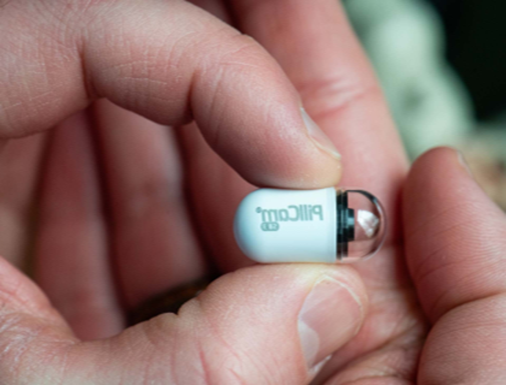
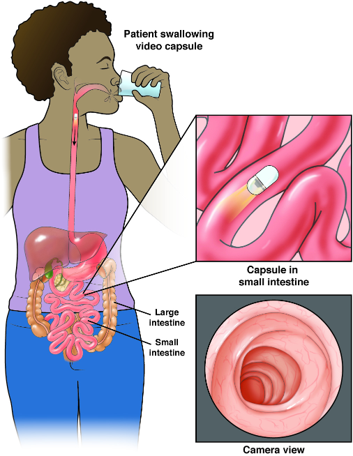
A noninvasive diagnostic test where a patient swallows a small capsule containing a miniature camera, transmitter, and light.
Mechanism:
Capsule travels naturally through the stomach, small intestine, colon, and rectum
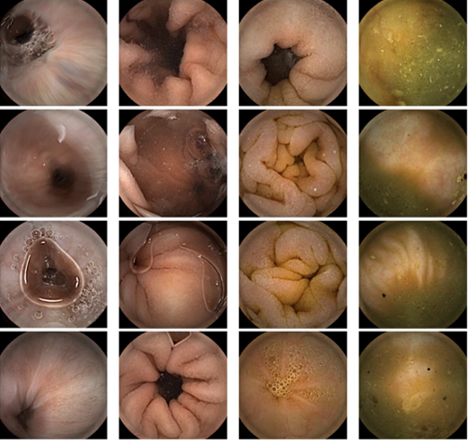
Takes thousands of images → transmitted wirelessly to an external recorder worn on the body
Images are processed into a video for physician review
Types of Video Capsules
Differ by: number of cameras, image resolution, battery life, recording time, data transmission
Some capsules store data internally (must be retrieved after passing), but most modern ones transmit data externally
Indications / Uses
Diagnostic tool when conventional endoscopy/colonoscopy is inconclusive
Helps evaluate:
Crohn’s disease (diagnosis & monitoring)
Other IBDs (e.g., ulcerative colitis)
Gastrointestinal bleeding (obscure/mid-GI sources)
Celiac disease (mucosal assessment)
Colon polyps / colorectal cancer
Unexplained anemia or weight loss
Useful for patients unable to tolerate sedation or colonoscopy
Advantages
Noninvasive, painless, outpatient
Visualizes the entire small intestine (difficult with regular endoscopy)
No anesthesia required
Limitations / Risks
Capsule retention (rare; more likely in strictures/narrowing)
Cannot take biopsies or perform therapeutic interventions
Dependent on battery life and image quality
Treatment
- Colorectal cancer
- Obscure bleeding
- Crohn’s disease
- Celiac disease