
Endoscopic ultrasound (EUS)
Eleifend tellus mollis class, integer accumsan eleifend iaculis rutrum. Nullam aenean aliquam vel viverra vel hendrerit gravida feugiat.
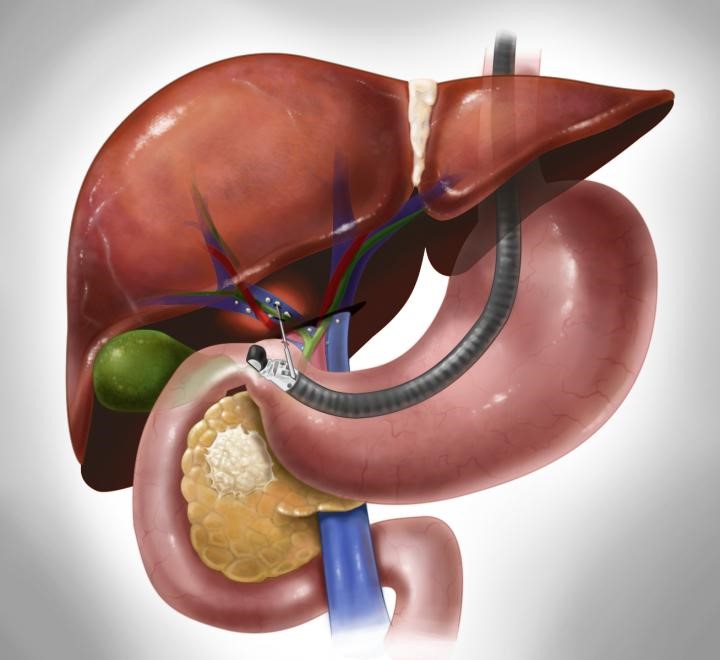
Endoscopic ultrasound (EUS) combines two techniques — endoscopy and ultrasound — to help doctors see, evaluate and diagnose conditions in and near the gastrointestinal (GI) tract.
Endoscopic ultrasound is a minimally invasive procedure that uses a camera device (endoscope) together with high frequency sound waves (ultrasound) to examine the GI tract and beyond.
A regular endoscope is a thin, lighted tube that can be inserted through the mouth or anus to view inside your esophagus, stomach or intestines. EUS uses a special endoscope with a small ultrasound device on its tip, called an echoendoscope. Addition of ultrasound lets the doctor see the GI tract and surrounding organs.
Treatment
- Locate tumors or cysts in the pancreas
- Help diagnose chronic pancreatitis
- Assess cancerous areas
- Detect stones in the biliary ducts
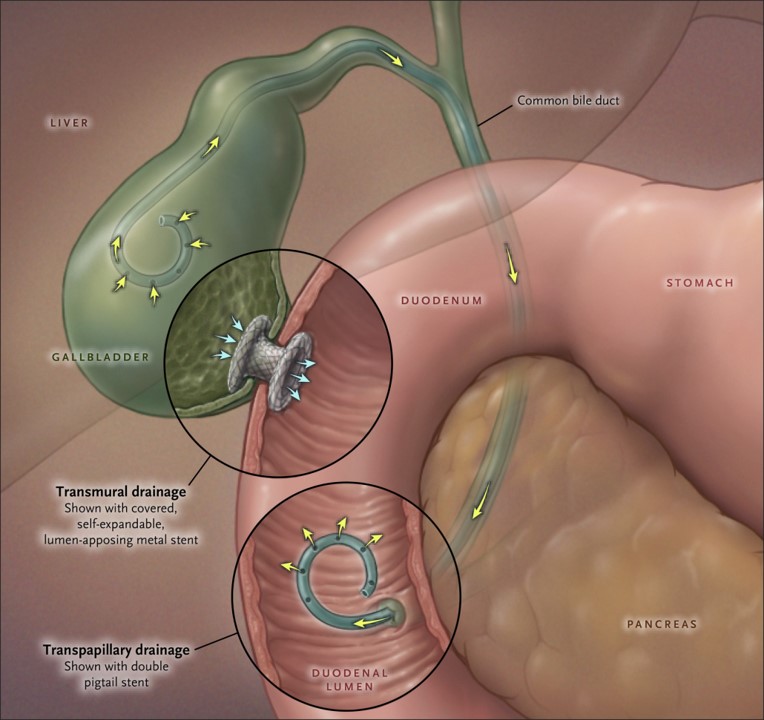
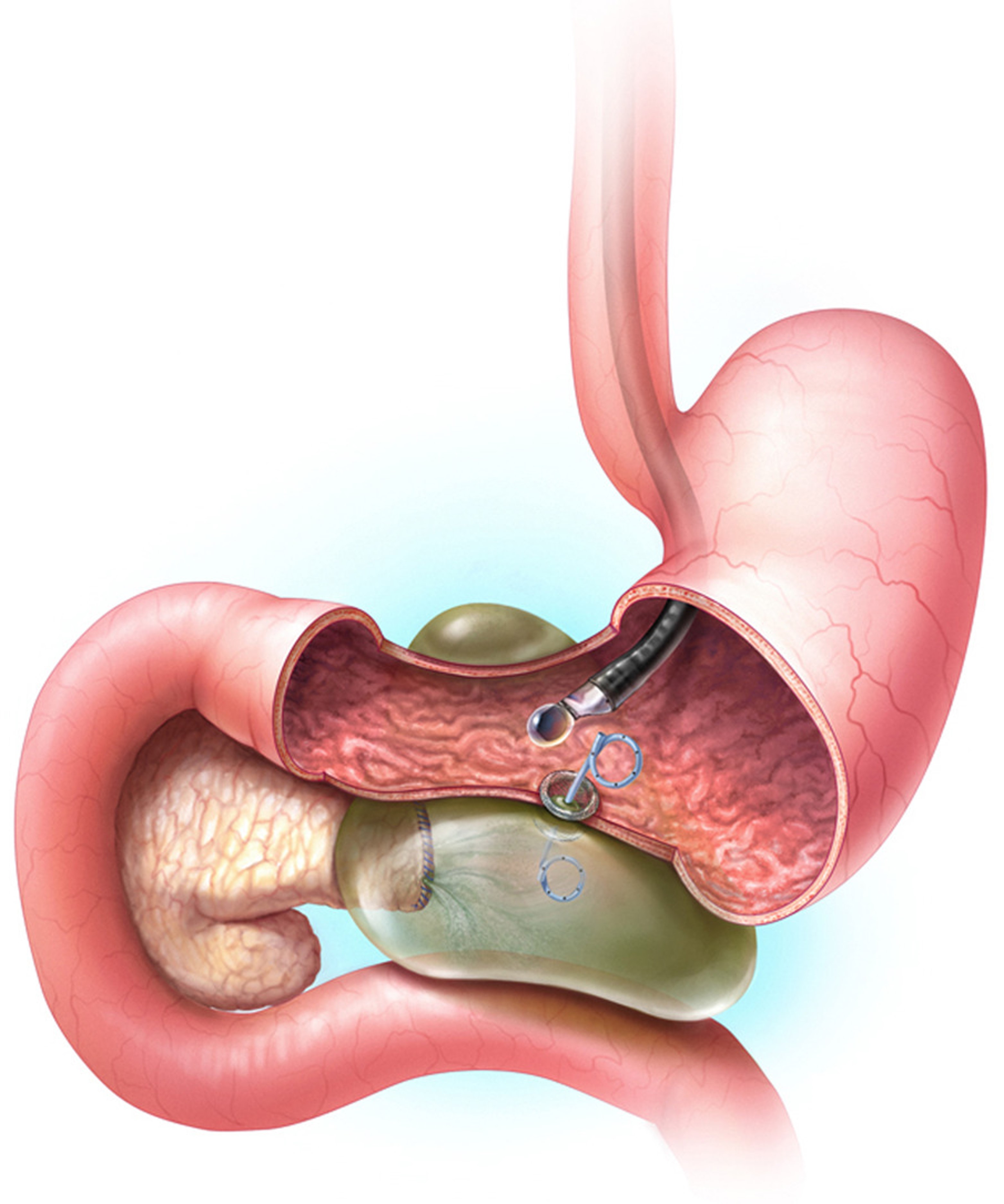
- Drain pancreatic pseudocysts or other abnormal fluid collections in the abdomen
- Treat the pancreas and liver with precise medicine delivery
Bachelor of Dental Surgery
University of Indonesia School of Medicine
Bachelor of Dental Surgery
University of Indonesia School of Medicine