Have you heard of pancreatic stones? While most people are familiar with kidney stones or gallstones, stones in the pancreas are significantly less discussed despite their potential to cause severe discomfort.
In this post, we will dive into what pancreatic stones are, why they form, and how they can be effectively treated.
*What Are Pancreatic Stones?*
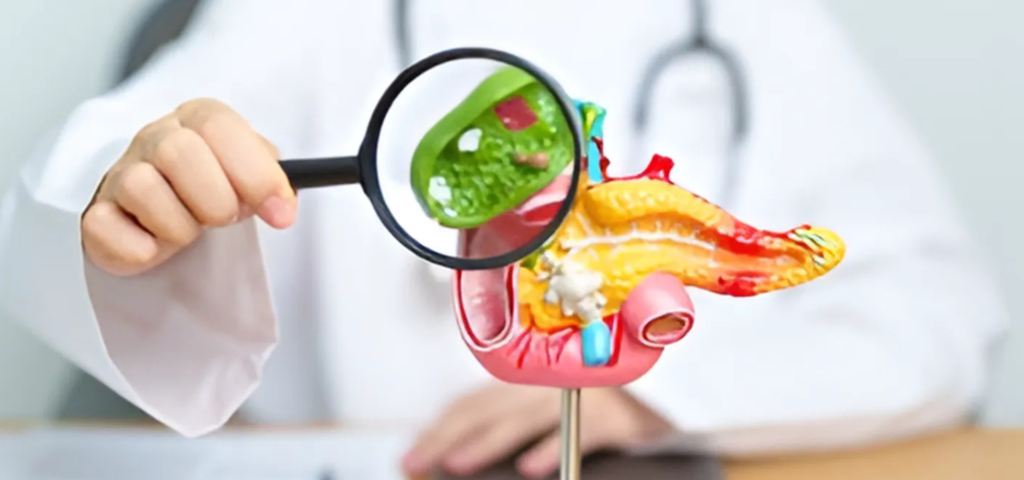
The pancreas is a crucial organ located behind your stomach that plays an essential role in digestion and the production of insulin to regulate blood sugar levels. Occasionally, hard deposits—primarily composed of calcium and proteins—form within the pancreas, leading to pancreatic stones. These stones obstruct the natural flow of digestive juices, causing pain and various digestive issues.
*Why Do They Occur?*
The primary catalyst for the development of pancreatic stones is chronic pancreatitis, which is long-term inflammation of the pancreas. This condition can be triggered by several factors, including:
– Heavy alcohol consumption
– Genetic predisposition or family history
– Elevated calcium levels in the blood
– Past pancreatic injuries or infections
*Common Symptoms*
Not everyone experiences symptoms immediately, but when the stones block the ducts, the following might occur:
– Intense abdominal pain, often radiating to the back
– Nausea or vomiting
– Oily, fatty stools that are difficult to flush
– Jaundice, indicated by yellowing of the eyes or skin
– Weight loss and poor digestion
*How Are They Diagnosed?*
Doctors typically recommend imaging tests such as ultrasound, CT scans, or MRIs to assess the condition. In certain scenarios, a specialized procedure known as ERCP is employed. This technique not only allows for visualizing the stones but can also effectively remove them.
*Treatment Options*
The best treatment approach is determined by the size and severity of the stones:
– *Lifestyle Changes*: Abstaining from alcohol, adhering to a low-fat diet, and taking enzyme supplements can have a significant impact.
– *Endoscopic Procedures (ERCP)*: A small scope is utilized to remove stones or place stents when necessary.
– *Lithotripsy*: Shock waves can be deployed to break down larger stones into smaller, manageable pieces.
– *Surgery*: In severe cases, partial removal of the pancreas may be required.
*Can You Prevent Them?*
While not every case is preventable, you can reduce your risk by:
– Limiting alcohol intake and quitting smoking
– Following a balanced, low-fat diet
– Staying well-hydrated
– Scheduling regular check-ups if you have a history of pancreatitis
Understanding pancreatic stones and taking proactive steps can significantly improve your digestive health and prevent complications.
Best Doctor for Pancreatitis & Pancreatic Cancer – Dr. Gaurav Patil, Malad West
Top Gastroenterologist near Malad, Goregaon & Kandivali
Specialist in Gallstones, Cholecystitis & Bile Duct Stones – Dr. Gaurav Patil
Nearby Doctor for Gastritis, Heartburn & Acid Reflux in Malad West
Expert in ERCP, EUS, POEM, ARMS – Dr. Gaurav Patil, Goregaon
Best Obesity & Weight Loss Endoscopy (Balloon, ESG) doctor in Kandivali
Top Gastro & Liver Specialist in Malad West – Dr. Gaurav Patil
Advanced treatment for Polyp, GI Bleed, Varices, Tumor, NET, GIST
Best Pancreatitis & Pancreatic Cancer treatment clinic in Malad, Goregaon & Kandivali
Advanced care for Gallstones, Cholecystitis & Bile Duct Stones near Malad West
Expert in ERCP, EUS & Endoscopic Procedures in Goregaon & Kandivali
Specialist for Achalasia Cardia, POEM & Swallowing Disorders in Malad West
Polyp removal, GI Bleeding & Varices treatment – Malad & Goregaon clinic
Advanced tumor, NET & GIST management with endoscopic techniques in Kandivali
Relief from Heartburn, Acid Reflux & Gastritis – Gastro doctor near Malad West
Specialized in ARMS procedure for reflux & swallowing problems in Goregaon
Treatment for Bloating, Obesity & Endoscopic Weight Loss (Balloon, ESG) in Malad West
Cholangiocarcinoma & Bile Duct Cancer specialist in Goregaon & Kandivali
Modern techniques like Laser, ESWL, APC for GI diseases – Malad West clinic